

From Office to Overflow, Measuring the True Cost of Space
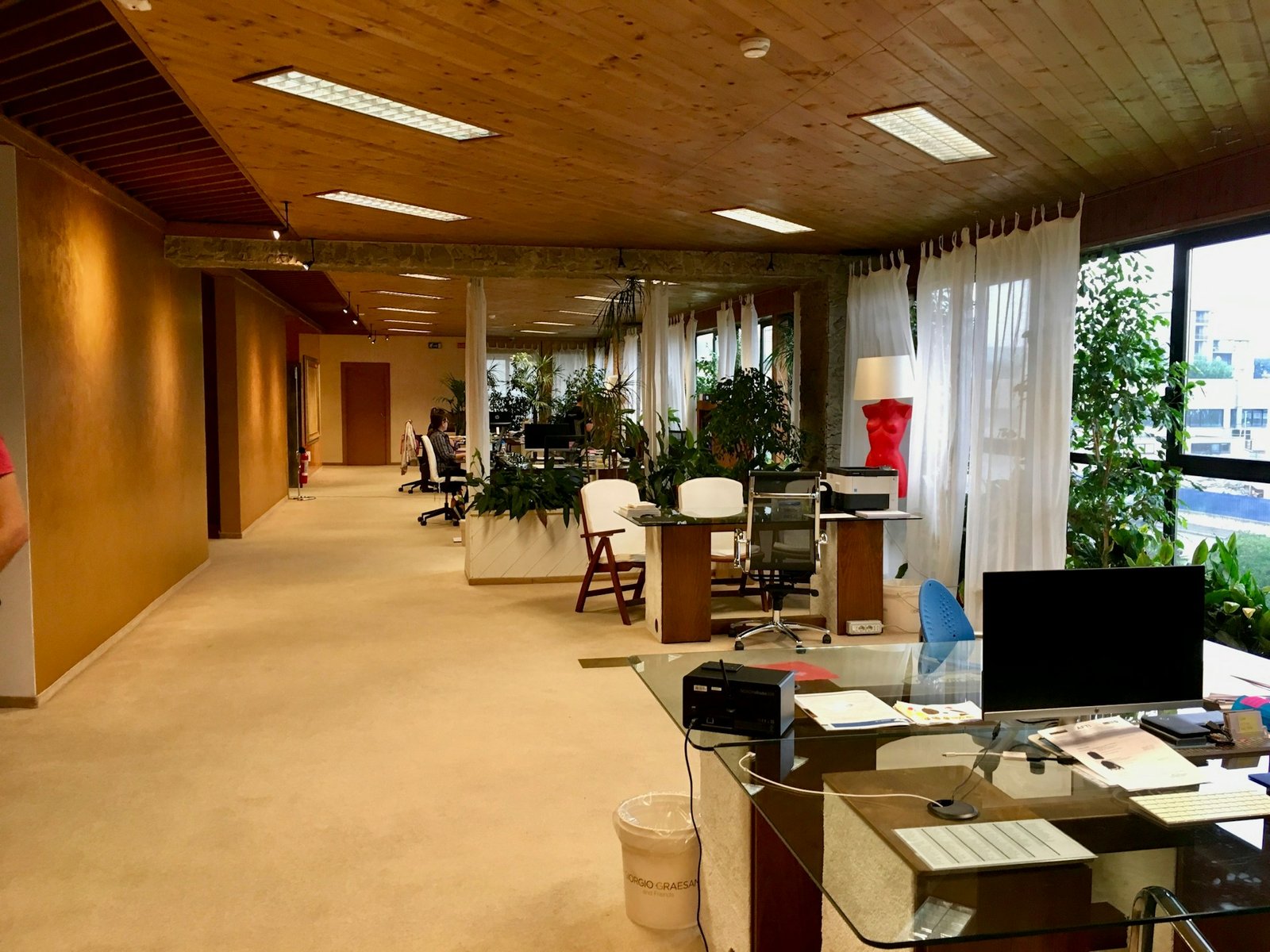
Office space doesn’t become impractical overnight. Something changes, and it does so subtly as stuff takes residence in corners, shared spaces accommodate the spillover, and rooms built for working house things that no longer belong in a business-as-usual world. Because the use isn’t so obviously different, the cost isn’t either. Rent still comes due, utilities still flow, teams sidestep what’s in their way. This article looks to identify that stealthy shift of space to overflow and the hidden costs of it. You’ll learn how to see early signs of space being “abused,” how to get curious about the size of size, and how to learn costs of things other than rent. We hope that enlightening space leads to more intentional decisions about space – before it, unnoticed, takes dollars from your people. Hidden space costs rarely appear as a single expense, which makes them easy to ignore. When offices absorb overflow, square footage meant for collaboration, production, or focus turns into passive storage while still carrying full rent, utilities, cleaning, and maintenance costs. Teams also lose time navigating around stored items, resetting rooms, or working in cramped conditions, which quietly raises labor costs. These inefficiencies compound as operations grow, even if headcount stays the same. To control this drift, some organizations move inactive materials out of core areas and use options like Sandy Springs storage to keep necessary items accessible without consuming high-cost office space. Seeing square footage as an active expense, not a fixed one, is the first step toward stopping these costs from adding up. Not all office space contributes equally to performance. Identifying what truly supports operations protects both efficiency and margins. Tie space to daily output Reduce low-activity storage onsite Design for movement and flow Treating all square footage as equally valuable Letting storage creep into shared or meeting areas Expanding office space instead of fixing usage Waiting for complaints before addressing inefficiency Step 1: Walk the office and document how each area is actually used during a normal workweek. Focus on movement, not floor plans. By moving items in phases. Gradual transitions keep operations running smoothly. No. Observation and simple tracking often reveal more than reports. Quarterly reviews work well. Regular check-ins prevent assumptions from replacing reality. Once the space is regained, the hard part is keeping it that way. Overflow returns when new items come in without judgment on how to handle them. Putting rules in place that allow people to determine who earns real estate on-site, and what does not, stems from the tide of slow creep from the outset. Assigning ownership over “space” (who decides who gets to use what space and when) keeps things from slowly slumping before you see it showing up again. When “space” becomes a scarce commodity, not a flexible buffer zone, everyone leaves each day slightly smarter than they were the day before. Over time the discipline returns reasonable amounts of space to the office. Set a recurring space check before overflow has time to rebuild. When storage starts appearing in shared areas or movement feels restricted, misuse has already begun. It can be, especially for low-velocity items. Used intentionally, it protects core work areas. Clear ownership is essential. Fragmented decisions lead to slow but steady overflow. Whenever workflows change or growth is planned. Early reviews prevent reactive fixes later.How hidden square footage costs add up
What space actually supports operations
Essential Principles to Follow:
Areas that directly enable work, collaboration, or delivery should be protected first.
Items that move infrequently shouldn’t occupy premium office locations.
Clear pathways and usable rooms support speed, safety, and focus.Common Pitfalls to Avoid:
Tracking usage instead of assumptions
Step 2: Identify spaces that rarely support active work. Storage corners, blocked meeting rooms, and underused offices are often hiding in plain sight.
Step 3: Measure how often items in those areas move. Low-velocity materials occupying high-cost space signal inefficiency.
Step 4: Relocate inactive items out of operational zones. Many teams use solutions like Roswell Rd NSA Storage to keep necessary materials accessible without consuming productive square footage.
Step 5: Reassign reclaimed space immediately. Turning it back into usable work areas prevents overflow from drifting back.Reclaiming space without disrupting work
How can space be reclaimed without slowing teams?
Does measuring usage require special tools?
How often should usage be reviewed?
Preventing overflow from returning
Questions leaders ask when space feels tight
How do we know if space is being misused again?
Is offsite storage a long-term strategy?
Who should control space decisions?
When should space strategy be revisited?